Tuscany is one of the great wine regions of the world, and organising a proper wine tour here is one of the most rewarding things you can do with a week in central Italy. The challenge is not finding good wine: it is everywhere. The challenge is structuring your time well enough to explore more than one appellation, taste at the right pace, and arrive back at your villa without having missed anything essential.
Guided vs Self-Guided Tours
The first decision to make is whether you want a guided experience or the freedom of a self-directed route.
Guided tours remove every logistical burden. A specialist operator will arrange appointments at estates, handle transport, provide expert commentary throughout the day, and ensure you taste wines in a sensible order. This is particularly valuable if you are visiting Tuscany for the first time, if wine education is a serious interest, or if your group includes people who prefer not to miss any of the tasting because one person has to drive.
Self-guided tours offer flexibility that no guide can replicate. You can stop at a cantina that catches your eye from the road, linger over lunch at a vineyard restaurant, change your itinerary entirely based on a recommendation received that morning, and set your own pace. The trade-off is that you must either designate a non-drinking driver within your group or plan carefully to avoid drinking and driving on narrow country roads.
For groups staying at Villa Talciona, a practical middle option is to hire a local English-speaking driver-guide for specific days while leaving other days free for self-directed exploration on foot or by bicycle in the Chianti hills.
The Best Wine Areas Within Reach
Tuscany has several distinct appellations, each with its own personality, and all are accessible from a central base.
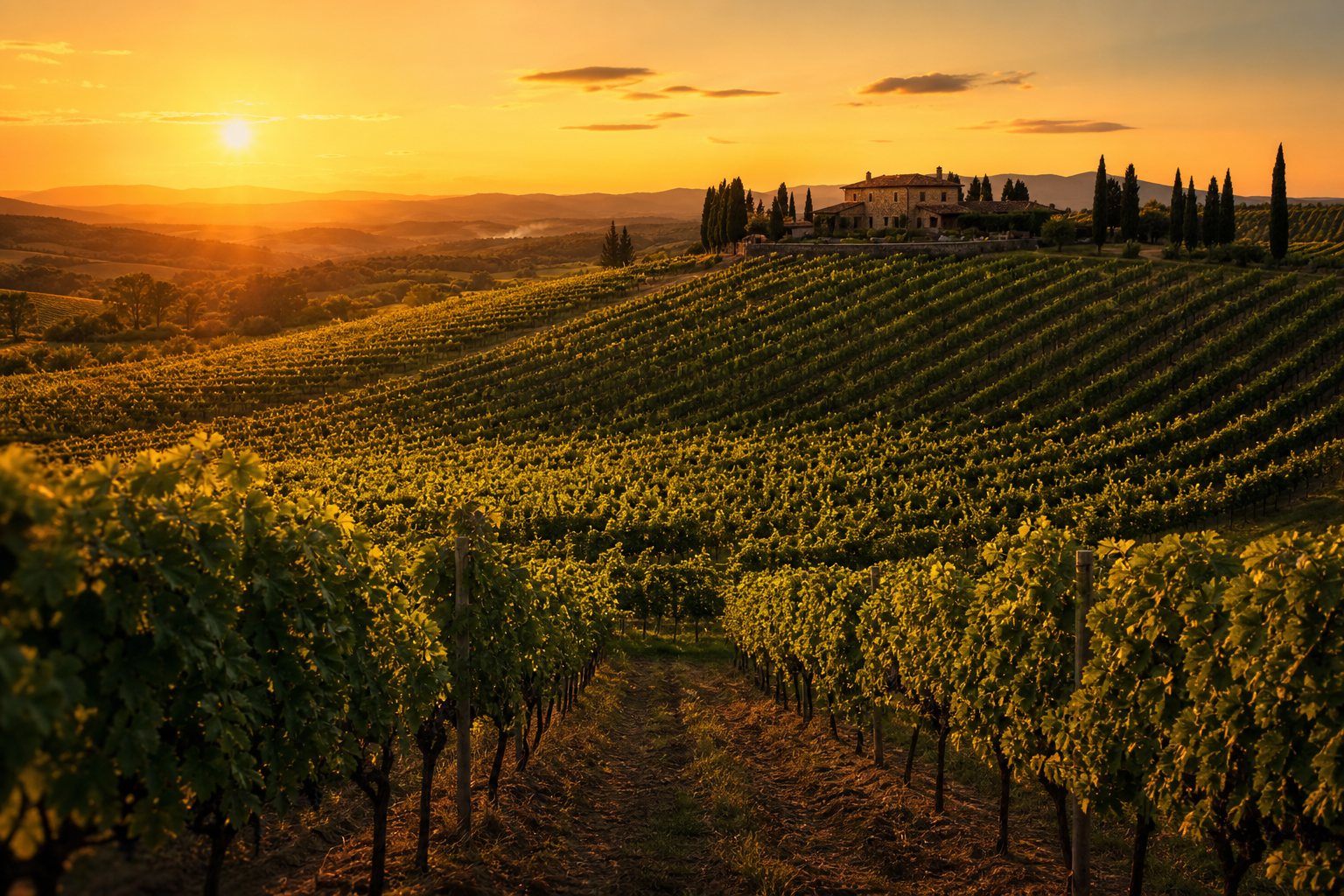
Chianti Classico is the closest wine region to Villa Talciona and the most productive for a first full day of tasting. The zone sits between Florence and Siena, with the estates of Greve, Panzano, Radda, and Gaiole each offering their own character. The dominant grape is Sangiovese, and the wines range from approachable Annata reds to structured Gran Selezione expressions. This is ideal territory for those new to Italian wine as well as those with deeper knowledge.
Brunello di Montalcino is approximately 90 minutes south of Villa Talciona, around the hilltop town of Montalcino in the Val d’Orcia. These are some of the most age-worthy and celebrated wines in Italy, made entirely from Sangiovese Grosso (locally called Brunello). A full day should be dedicated to this area: visit two or three estates, walk the medieval town, and have lunch overlooking the Val d’Orcia.
Vino Nobile di Montepulciano comes from the hilltop town of Montepulciano, also in the Val d’Orcia. Made primarily from Prugnolo Gentile (a local clone of Sangiovese), these wines tend to be structured and elegant. The town itself is one of the most beautiful in Tuscany and combines well with a Montalcino day if you are an energetic traveller.
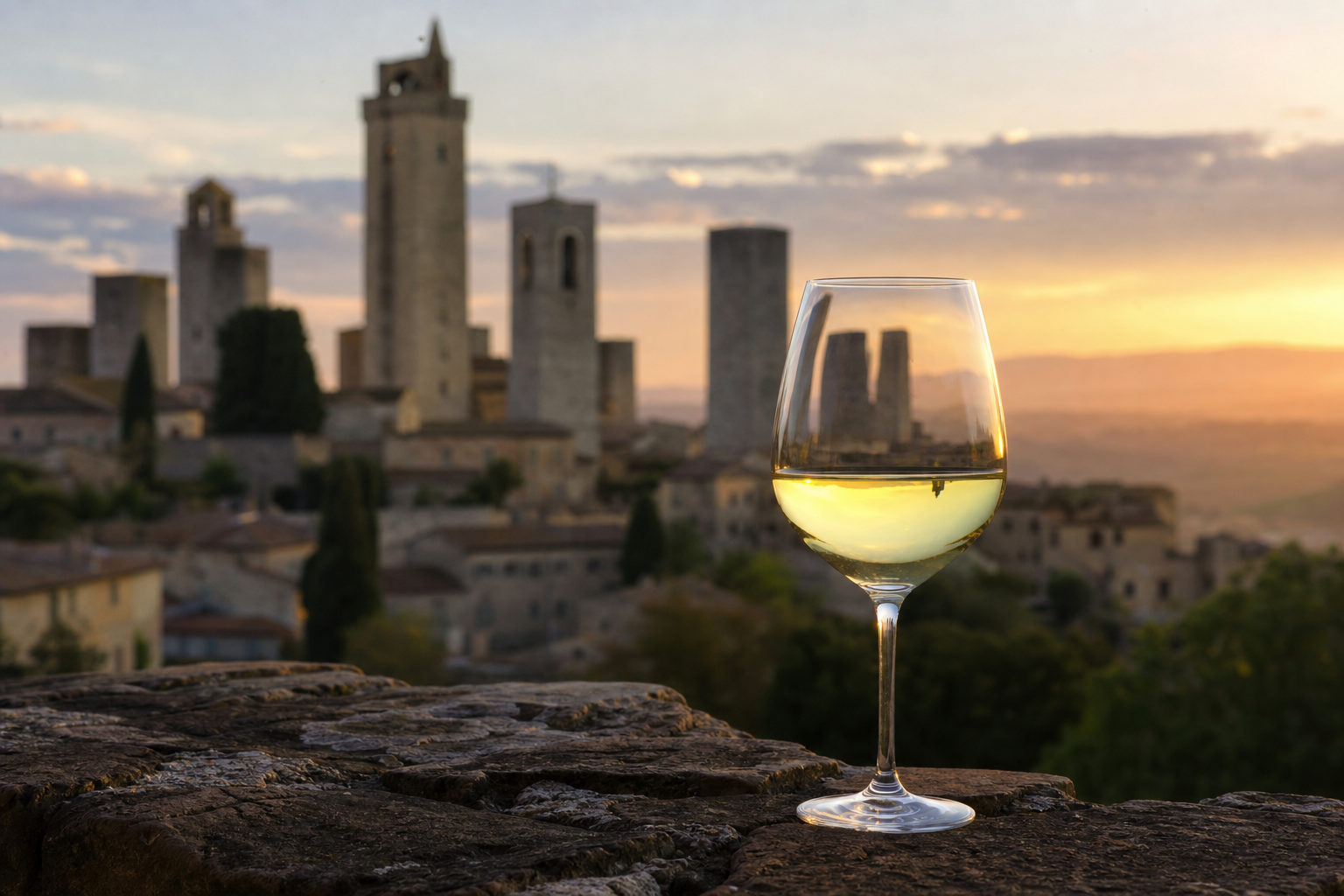
Vernaccia di San Gimignano is the outstanding white wine of the region, produced around the famous tower-city of San Gimignano just 15 kilometres from Villa Talciona. The wine is dry, golden, and crisp, and the town offers several excellent tasting rooms and the dedicated Vernaccia museum.
What to Ask a Tour Operator
When booking a guided tour, ask clearly about the size of the group (smaller is better), the number of estates visited, whether the fee includes all tastings, and whether food is served alongside the wine. Ask for confirmation that the estates speak English and that the itinerary is confirmed in advance rather than subject to change on the day. A good operator will also be able to tell you which estates are currently pouring their best vintages.
Responsible Drinking and Designated Drivers
It bears saying plainly: the roads between Chianti estates are narrow, winding, and often poorly lit. Italy has strict drink-driving limits (0.5g/L blood alcohol, lower than the UK), and the terrain makes impaired driving genuinely dangerous. If your group does not want to designate a driver, use a hired car with a driver or a specialist wine tour vehicle. Many operators are based in Siena or Florence and will collect you from your villa door.
The Best Months for Harvests and Tours
The Tuscan grape harvest (vendemmia) typically runs from mid-September through October, varying by altitude and grape variety. This period is the most atmospheric time to visit estates: you may see workers in the vineyards, smell fermenting must from open cellar doors, and find producers in the most candid mood of the year.
Spring (April to June) is equally pleasant, with the countryside in full bloom and estates freshly stocked with the latest vintage. Summer is busy but workable if you book ahead. Avoid August if you prefer quieter roads, as Italian families take their main holiday then and popular estates can feel crowded.
From Villa Talciona, explore the full surroundings to plan your wine tour itinerary. Whether you focus on Chianti Classico, venture south to Montalcino, or combine both in a long weekend, book your stay at Villa Talciona and use the villa as your base for one of the finest wine landscapes in the world.