Learning to cook Tuscan food in Tuscany is one of those experiences that seems like a luxury until you realise it is actually one of the most practical things you can do on holiday. You come home with skills that survive the journey, recipes you understand because you made them with your own hands, and a direct connection to the food traditions of the region that no restaurant meal alone can give you.
Tuscany has a well-developed cooking class industry, ranging from informal morning sessions in farmhouse kitchens to full-day professional courses in purpose-built culinary schools. Here is how to find the right option for your group.
Types of Cooking Classes
Market-to-table classes begin at a local food market, typically in the morning, where the teacher guides you through the stalls, explains the seasonal produce, and helps you select ingredients. You then cook those ingredients in a kitchen, usually into a complete meal that everyone eats together at lunch. These classes offer a double experience: the theatre of the Italian market and the pleasure of cooking. They are especially popular in Siena and Florence, where the markets are well-stocked and run on regular weekly schedules.
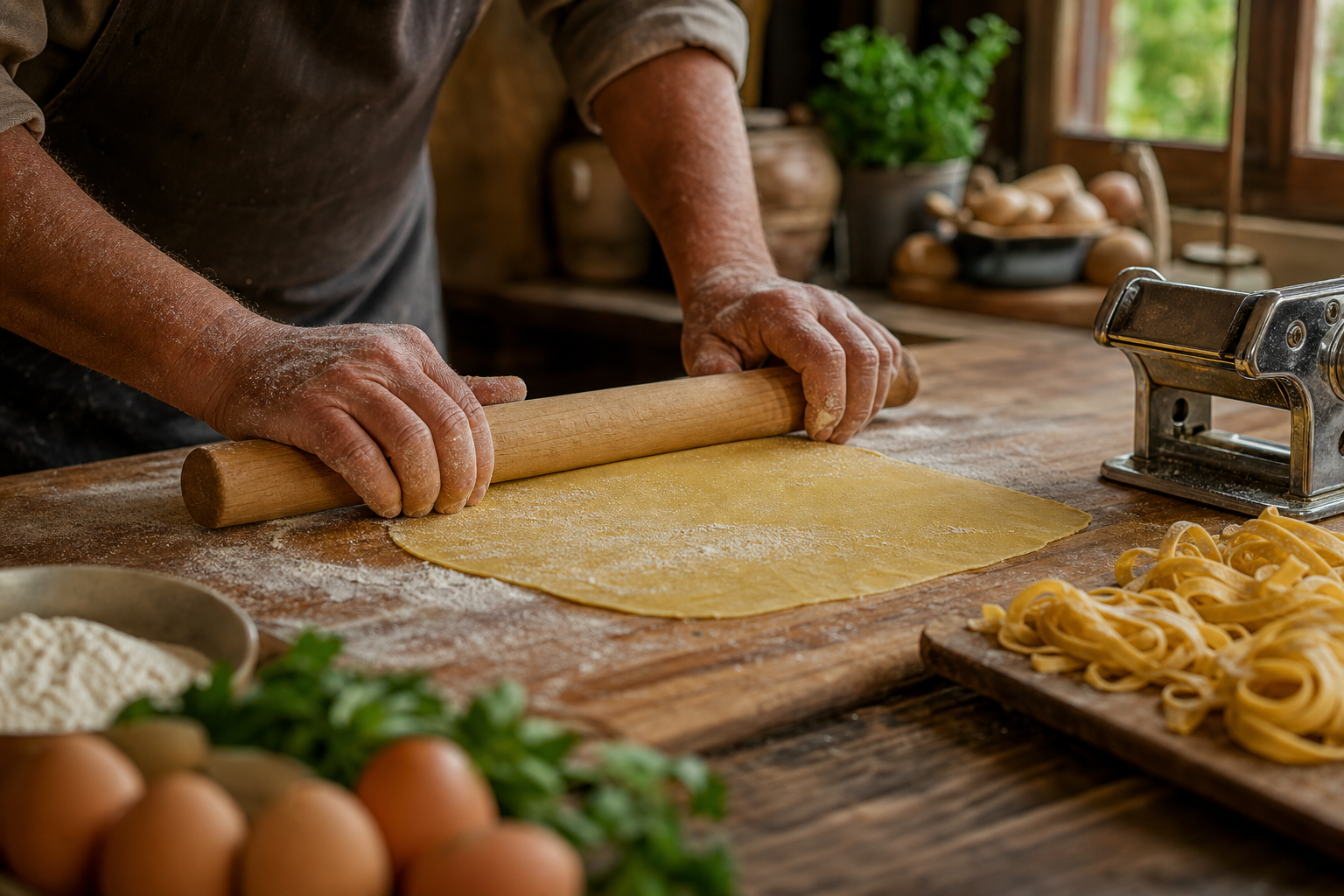
Pasta-making classes focus on the craft of handmade pasta: making and rolling dough, cutting different shapes, and understanding which sauces suit which pasta. In Siena province, the local focus is on pici (thick hand-rolled pasta) and pappardelle. A good pasta class will have you making dough from scratch, learning the feel of properly worked flour and egg, and eating the results with a glass of local wine. These classes are appropriate for all ages and no prior cooking experience is required.
Bread and pizza in a wood oven is a class format that has grown in popularity as guests increasingly seek hands-on experiences with traditional equipment. Learning to manage the heat of a wood-fired oven, shape loaves by hand, and understand the difference that real fire makes to a crust is a revelation if you have only ever used a domestic oven. Schiacciata (Tuscan flatbread), focaccia, and rustic loaves are common products of these sessions.
Pastry and dessert classes are less common than pasta or bread classes but available at specialist schools in Florence and Siena. They tend to focus on Tuscan classics: cantucci, ricciarelli (soft almond biscuits from Siena), panforte (dense fruit and nut cake), and castagnaccio (chestnut flour cake).
What to Look For in a Good Class
The best cooking classes in Tuscany share certain qualities. The group should be small: eight to twelve participants is ideal, and anything above fifteen becomes difficult to manage and less personal. The teacher should be a genuine cook rather than a performer, with real knowledge of the tradition behind each dish. The kitchen should be well equipped and clean. The ingredients should be fresh, seasonal, and locally sourced. And the meal should be eaten together, at a proper table, with wine.
Be cautious of classes that are priced unusually low or that advertise very large groups. Read recent reviews specifically for the quality of the teaching rather than just the overall atmosphere.
Classes Near Siena and Florence
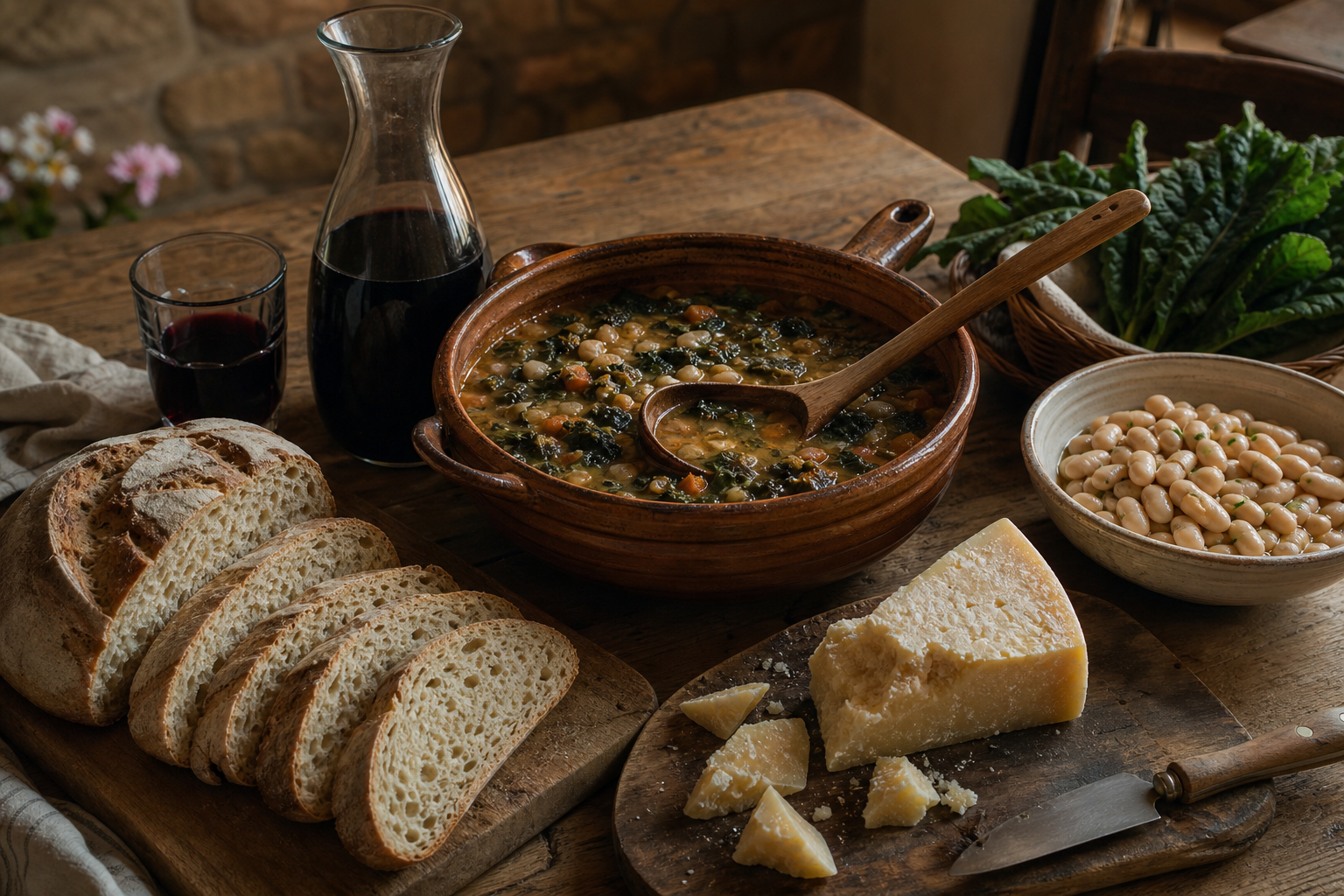
Siena has a small but serious cooking school scene, with several schools offering classes in the city and in the countryside nearby. The Sienese kitchen is focused on the cucina povera tradition: dishes built on beans, bread, vegetables, and meat, made with care and without shortcuts. A class focused specifically on the Sienese tradition (ribollita, pici, scottiglia, cavallucci biscuits) is more interesting than a generic “Italian cooking” overview.
Florence has a wider range of options, from casual tourist-oriented classes in the historic centre to more serious day-long courses at dedicated culinary schools. Given the city’s size and reputation, it is worth researching carefully and prioritising the smaller, more specialist providers.
Cooking at Villa Talciona
Villa Talciona’s kitchen is fully equipped and includes a traditional brick wood-fired oven. This is not a decorative feature: it is a working oven capable of producing real Tuscan bread, pizza, roasted meats, and anything else that benefits from the concentrated, radiant heat of a wood fire.
For guests who have taken a formal cooking class during their stay, the villa’s kitchen offers the perfect space to practise what they have learned. For guests who prefer a more informal approach, the wood-fired oven is itself the teacher: learning to manage its temperature, understand its rhythms, and produce something genuinely delicious from it is a Tuscan cooking education in its own right.
Cooking with ingredients bought from the local market in Poggibonsi or at the weekly market in Siena, prepared in a fully equipped kitchen with a wood oven, is one of the genuine pleasures of staying at a private villa in this part of the world. It is something no hotel can offer.
Find out more about the villa’s facilities and kitchen and plan your Tuscan cooking adventure. Whether you join a formal class in Siena or Florence, or spend an evening experimenting at the wood-fired oven with your family or friends, book your stay at Villa Talciona and bring a little Tuscany home with you.